2026 curriculum

Barista programmes for beginners

Six structured modules taught at our Exchange District studio — education-focused, hands-on, and documented with take-home practice guides. Updated 26 June 2026.

Programme 01

Espresso Foundations

Espresso Foundations introduces dial-in mechanics for learners with no prior café experience. Sessions cover grinder calibration, dose consistency to 0.1 gram, distribution and tamp technique, and yield targets on a dual-boiler studio machine. Instructors narrate each decision point while learners complete three supervised shot cycles scored for time, crema stability, and tasting clarity. You leave with a personalised bench sheet noting grind setting, dose, and yield window plus a PDF practice outline for home repetition. Module A is prerequisite for Milk Texturing Studio unless an instructor confirms equivalent skill during a studio visit. Equipment, reference coffee, and cupping spoons are supplied — bring a notebook and closed-toe shoes only.
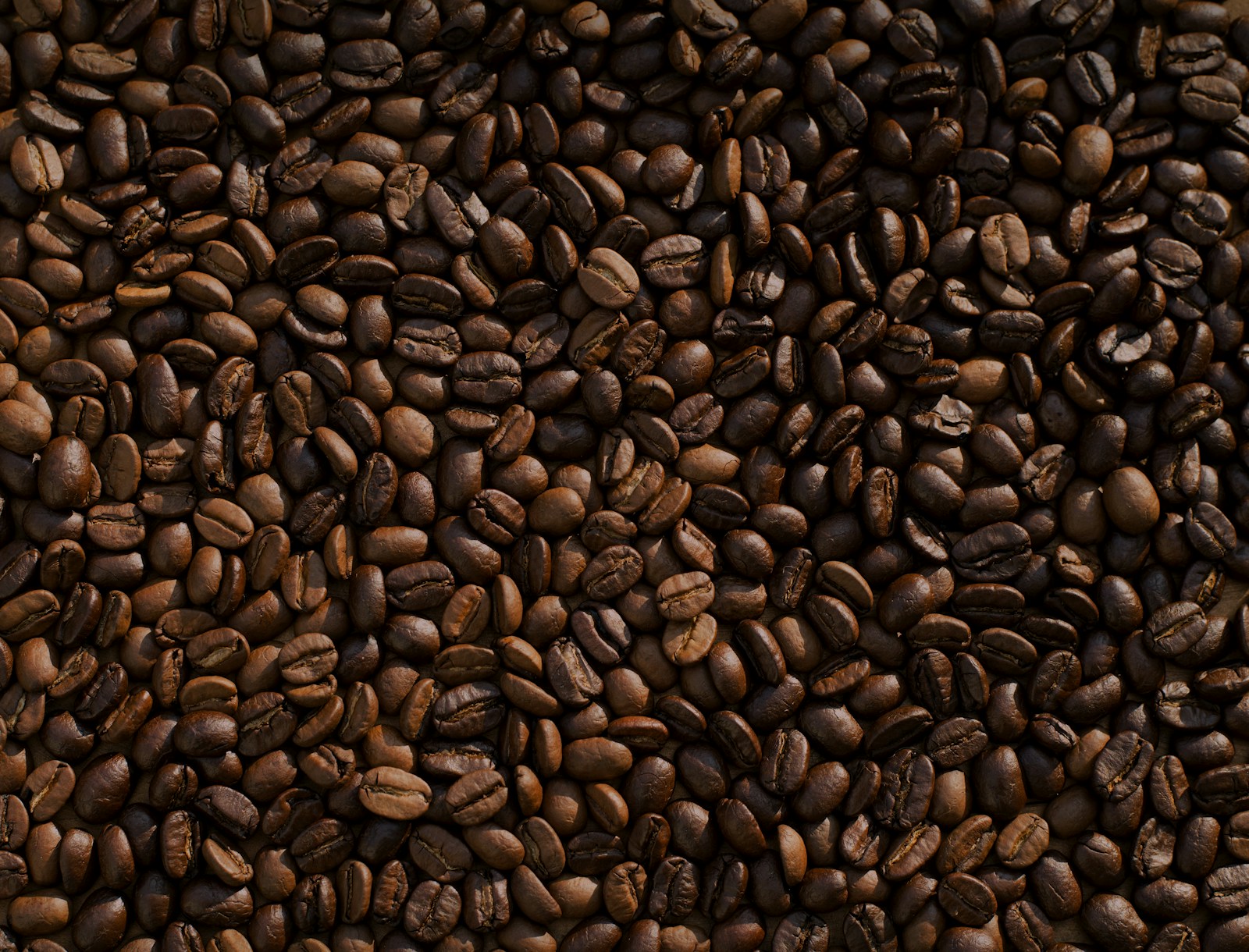
Espresso dial-in training at RoastLab

Programme 02

Milk Texturing Studio

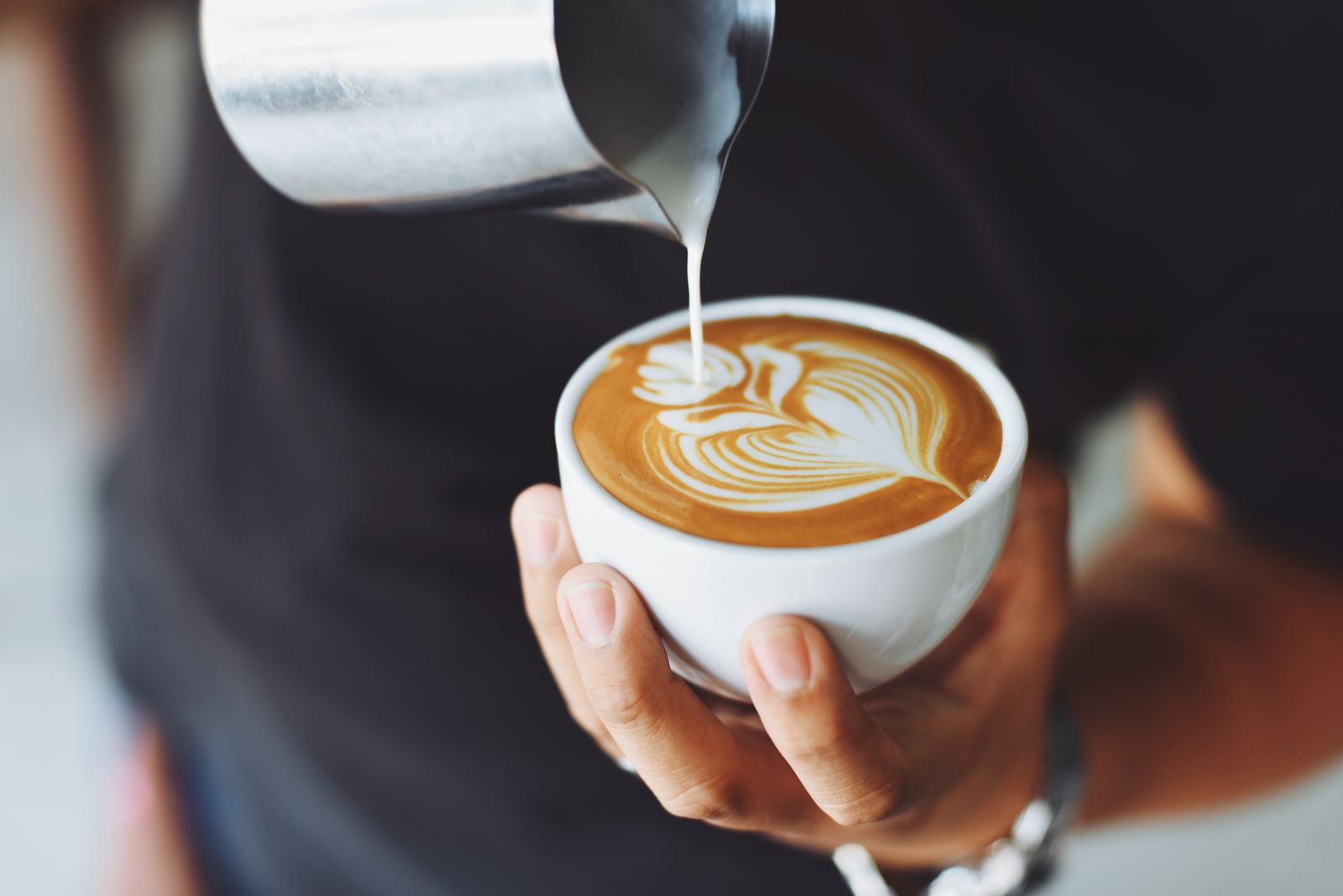
Milk Texturing Studio separates steaming into measurable skills: stretch timing, pitcher angle, wand depth, and pour integration. Learners produce three microfoam samples per session scored for gloss, bubble size, and pour readiness before attempting free-pour drills into calibrated training cups. Instructors emphasise texture cues over thermometer dependency so home practice remains accessible without café-grade steam pressure. Sessions include dairy and oat alternatives when dietary needs are declared at booking. Completion requires satisfactory scores on two consecutive supervised pours documented on the RoastLab milk rubric. Take-home guides include steam wand hygiene steps and a troubleshooting table for thin or overheated foam common among beginners.

Milk texturing instruction in the studio

Programme 03

Pour-over Workshop

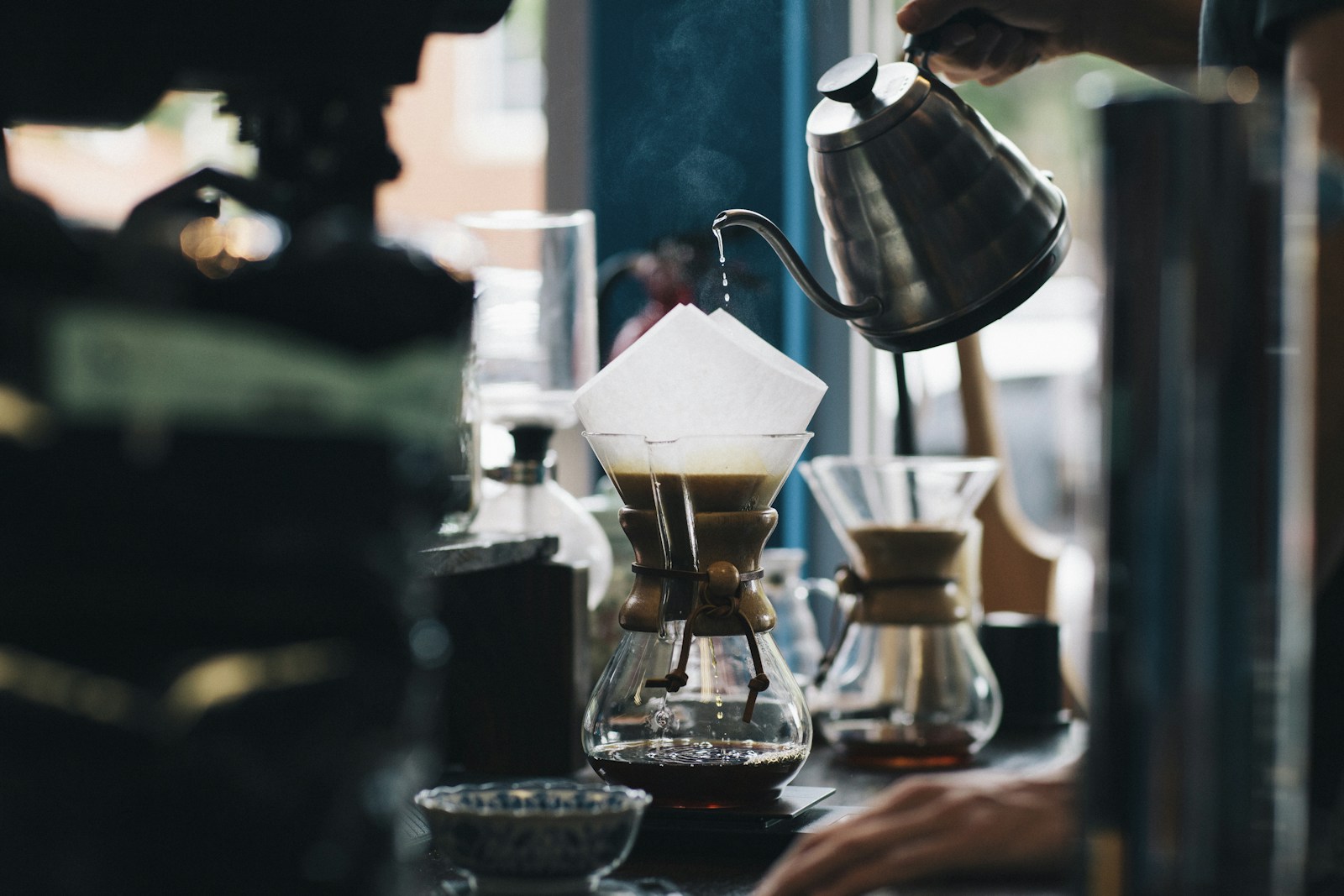
Pour-over Workshop teaches bloom mass, pulse pour cadence, and drawdown windows on V60 and flat-bottom brewers mounted on shared scales. Water temperature and grind uniformity are held constant so learners isolate pour technique rather than chasing multiple variables simultaneously. Each participant completes two full brews with instructor annotation on bed saturation, agitation level, and total brew time. Sensory checkpoints link drawdown speed to acidity and body using the RoastLab glossary descriptors. The module suits home brewers entering structured education for the first time and hospitality staff refreshing filter standards. Practice outlines include gram tables, kettle height photos, and a checklist for photographing drawdown milestones during async instructor Q&A review.

Pour-over workshop at RoastLab

Programme 04

Cupping Literacy

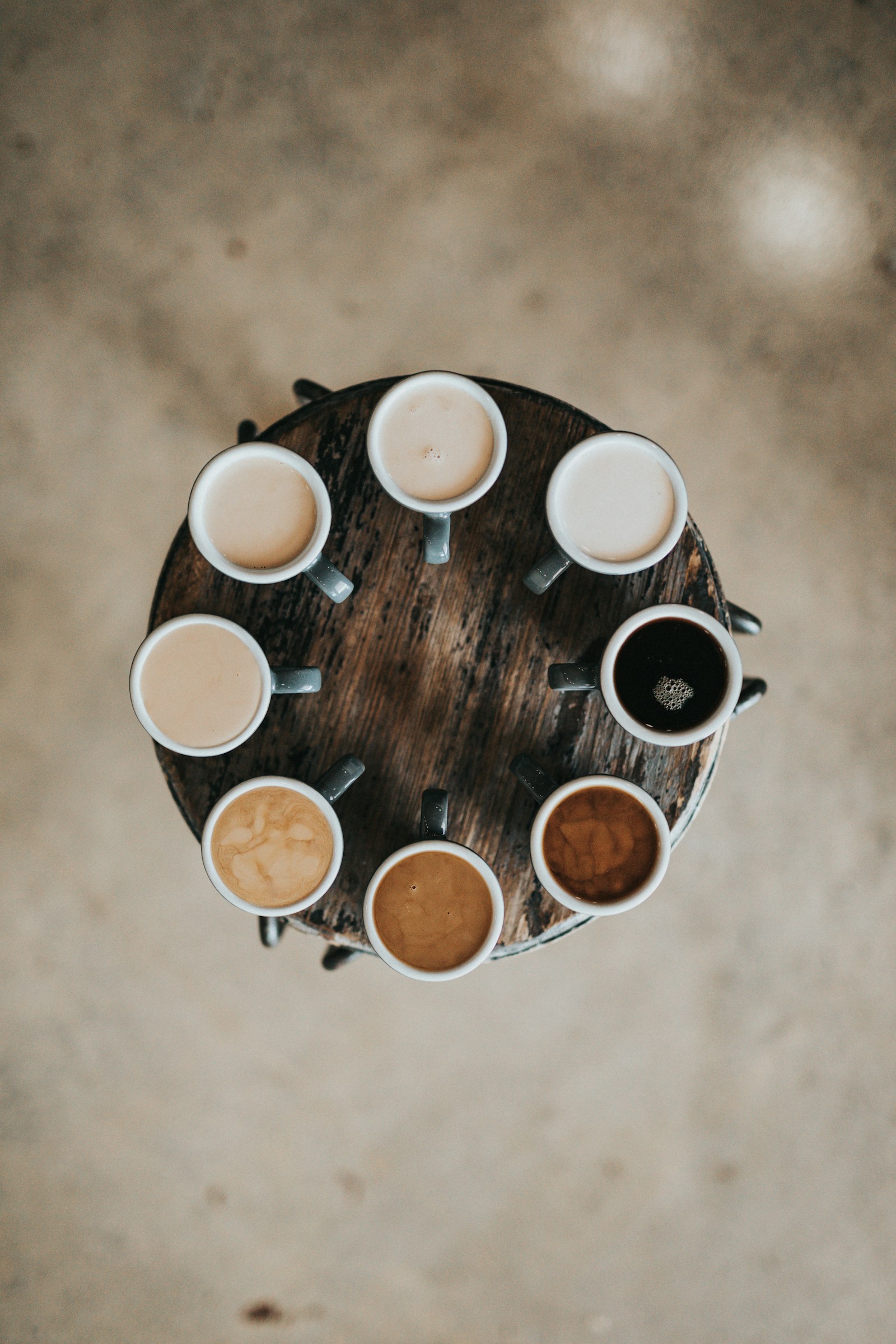
Cupping Literacy builds blind tasting discipline for beginners intimidated by professional cupping rooms. Learners practice sample coding, slurp technique, and descriptor mapping against the RoastLab sensory glossary before scoring two roasts of the same origin at different development levels. Panels emphasise consensus language over numeric competition scoring — the goal is repeatable vocabulary for home and workplace tasting notes. Sessions include cupping sheet walkthroughs, water calibration reminders, and hygiene protocols for shared spoons. No prior espresso experience is required. Graduates receive editable cupping sheet templates and glossary cross-reference cards linking acidity, sweetness, body, and finish terms to common beginner misidentifications.

Cupping literacy session

Programme 05

Home Barista Intensive

Home Barista Intensive compresses Modules A through C into a two-day studio immersion for learners preparing to upgrade home equipment or support a small office coffee programme. Day one covers espresso dial-in and milk texturing with extended repetition blocks; day two alternates pour-over workshops with cupping literacy drills tying filter and pressure outcomes together. Cohort size stays limited so instructors can annotate individual grind settings and steam wand angles throughout. Intensive enrolment includes priority access to instructor Q&A for thirty days after completion plus bundled practice guides for all three skill areas. Prior experience is not required but physical stamina for standing sessions is recommended — breaks are scheduled every ninety minutes with hydration stations in-studio.

Home barista intensive practice desk

Programme 06

Roast Tasting Primer

Roast Tasting Primer connects roasting development language with cupping outcomes for learners who brew well but struggle to articulate roast level differences. Instructors cup three reference roasts — light, medium, and medium-dark — of the same origin while learners map acidity, sweetness, body, and finish shifts on annotated sheets. Discussions cover Maillard cues, development time vocabulary, and how roast level informs espresso versus pour-over module recommendations without entering commercial roasting operations. This module complements Cupping Literacy and supports hospitality trainers building menu education decks. Sessions do not include operating production roasters; tasting focuses on sensory consequence of roast decisions using pre-roasted reference samples prepared off-site to Winnipeg food safety standards.

Roast tasting primer cupping flight

Questions about module order?

Contact our studio to discuss prerequisites and scheduling.

Contact RoastLab