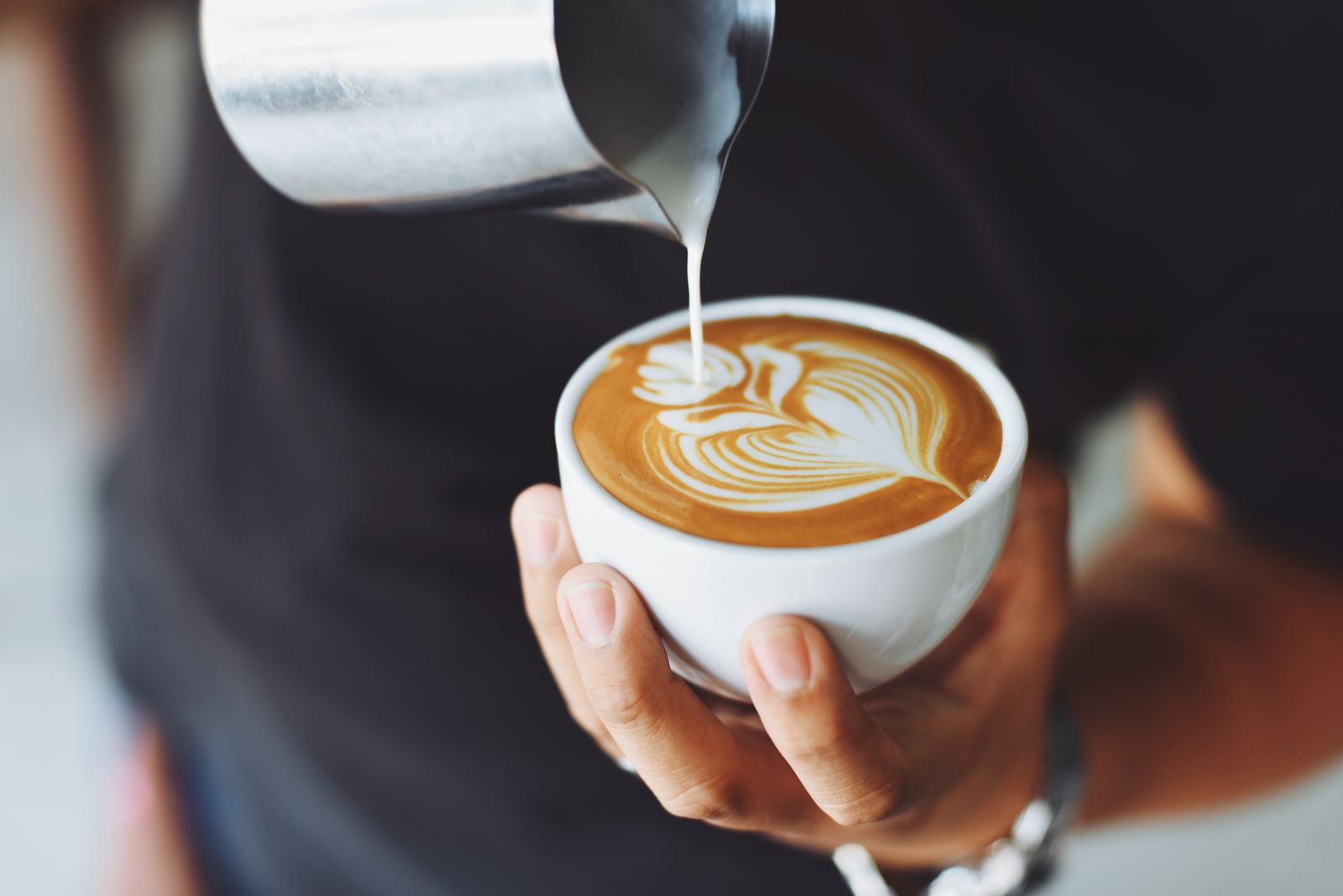
Track 01 · Espresso
Espresso foundations
Dose, distribute, tamp, and dial yield against a fixed roast reference. Learners log shot time, crema colour, and tasting notes on the RoastLab bench sheet before advancing to milk integration.
RoastLab · Winnipeg
Module 01 — 2026 Curriculum
Structured barista education at 211 Bannatyne Avenue — hands-on modules, instructor feedback, and practice guides designed for first-time learners who want repeatable technique, not café shortcuts.
Studio charter
RoastLab Inc. operates a dedicated education studio in Winnipeg's Exchange District — not a restaurant, bakery, or life-coaching office. Every programme follows the same instructional spine: demonstrate the technique on calibrated equipment, guide learners through supervised repetition, then release a take-home practice outline with sensory checkpoints. We teach espresso dial-in, milk texturing, pour-over control, and cupping literacy using Canadian English documentation, metric measurements, and Central Time scheduling.
Our 2026 curriculum was rebuilt after feedback from hospitality trainers and home enthusiasts across Manitoba. Modules now include clearer grinder calibration steps, milk-steaming progressions that separate foam quality from pour speed, and cupping sheets aligned with the RoastLab sensory glossary. Learners receive instructor notes after each session — annotated with dose, yield, shot time, or bloom mass depending on the track — so practice at home mirrors what happened on the Bannatyne bench.
The studio maintains two espresso setups, a pour-over bar with shared kettles and scales, and a cupping table coded for blind tasting drills. Reference coffees rotate seasonally but stay within beginner-friendly roast profiles so technique remains the focus. When you enrol, you join a cohort sized for individual feedback: we cap live sessions so every participant steams milk and pulls shots under direct supervision rather than watching from the back of a demo theatre.
RoastLab does not sell retail coffee, operate a walk-in café, or franchise coaching brands. We are an education studio publishing lesson outlines, practice guides, and instructor Q&A access for people who want to learn barista skills in a structured classroom environment. If that matches your goal, explore the six programmes below or contact [email protected] to discuss which module fits your experience level.
Curriculum tracks · 2026
Track 01 · Espresso
Dose, distribute, tamp, and dial yield against a fixed roast reference. Learners log shot time, crema colour, and tasting notes on the RoastLab bench sheet before advancing to milk integration.
Track 02 · Milk
Steam pressure, pitcher angle, and stretch timing taught as separate skills. Each participant produces three microfoam samples scored for gloss, volume, and pour readiness before free-pour drills.
Track 03 · Pour-over
Bloom mass, pulse pours, and drawdown windows on V60 and flat-bottom brewers. Water temperature and grind uniformity are held constant so learners isolate pour technique variables.
Track 04 · Cupping
Blind coding, slurp technique, and descriptor mapping using the RoastLab sensory glossary. Panels compare two roast levels of the same origin to connect technique with flavour clarity.
Instructor method
RoastLab instructors follow a three-phase method every session. First, the instructor demonstrates the module skill on studio equipment while narrating decision points — grind adjustment, steam wand depth, or pour cadence. Second, each learner repeats the skill under timed supervision with immediate correction. Third, the instructor releases a personalised practice outline noting what to repeat at home and which sensory checkpoints confirm progress.
This method keeps beginners from memorising café routines that break when equipment changes. You learn why a shot ran fast, not merely that it tasted bitter. Milk modules emphasise thermometer-free texture cues so home practice remains accessible. Pour-over sessions pair scale readings with visual drawdown markers learners can photograph for async Q&A review.
Grinder, scale, and water recipe verified before any learner touches equipment.
Three supervised cycles minimum per skill with instructor annotation on the bench sheet.
PDF practice guide with dose tables, sensory glossary links, and Q&A submission window.
Featured programmes
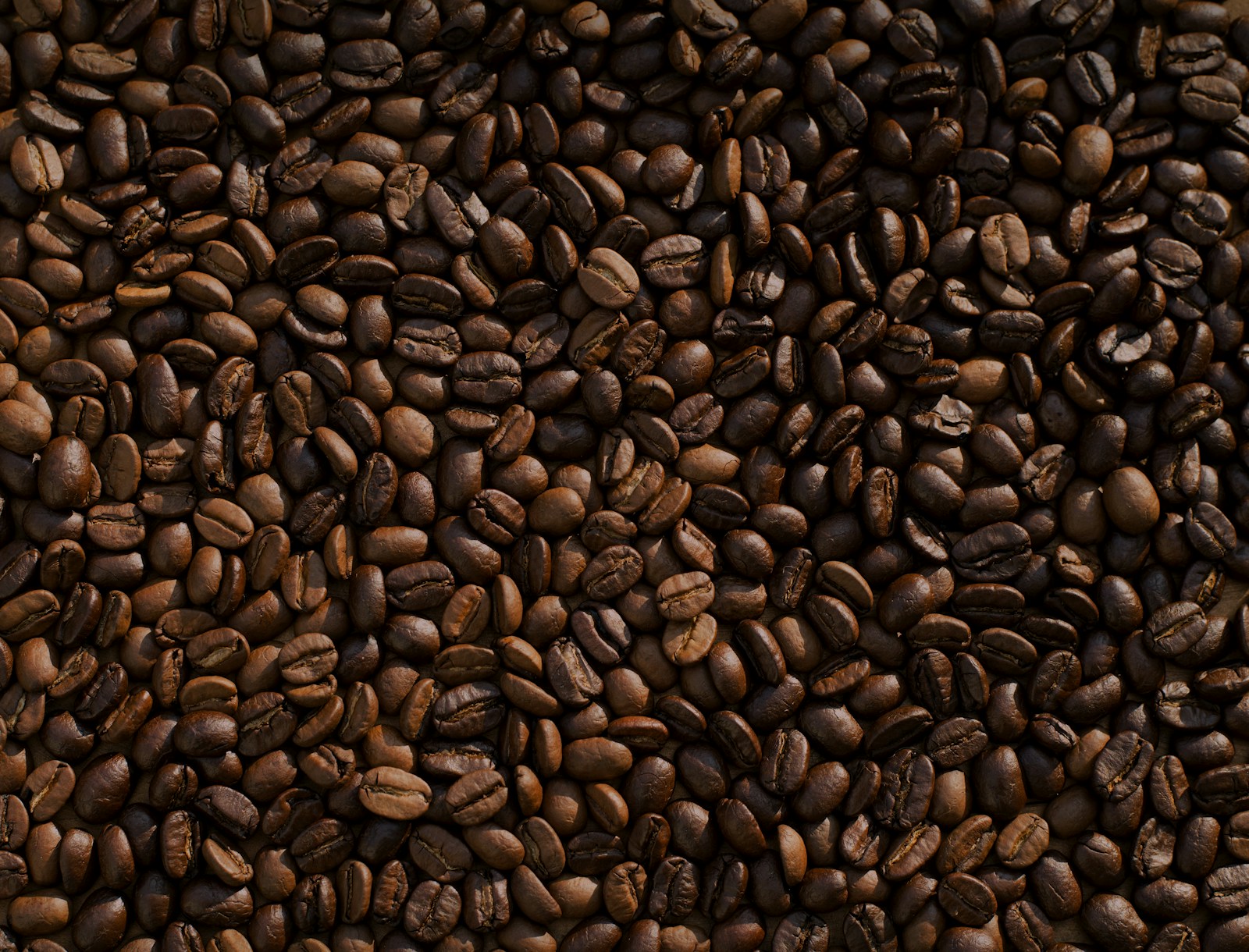
Beginner dial-in covering dose consistency, distribution, tamp pressure, and yield targets on a dual-boiler studio machine.
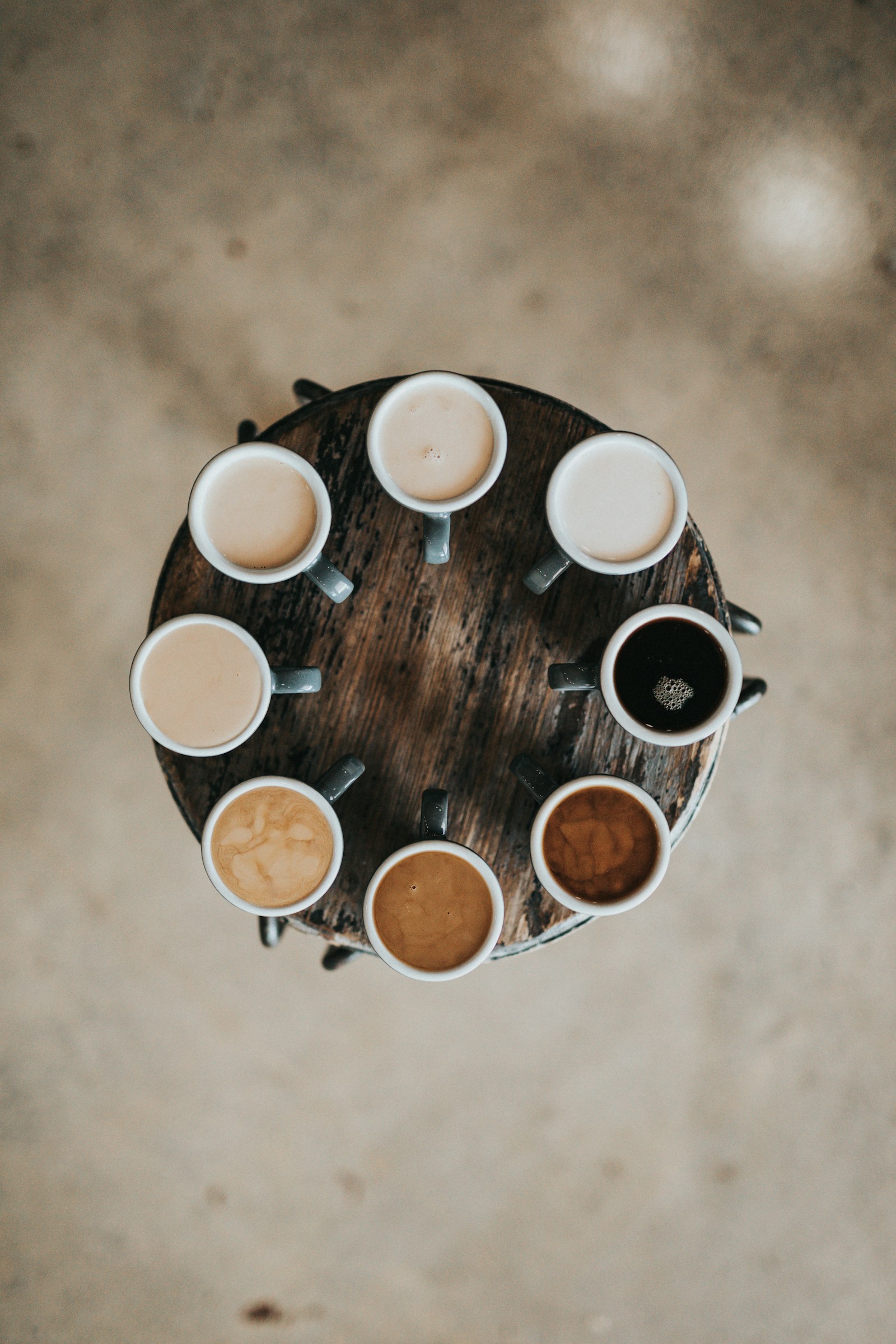
Microfoam progressions from stretch-only drills to integrated latte pours with instructor scoring on texture and temperature cues.

V60 and flat-bottom protocols with bloom timing, pulse intervals, and drawdown benchmarks on shared scales and kettles.
Quick answers
Browse all six beginner programmes or contact our Exchange District studio to schedule a visit.
Browse programmes